Why Germans Are Quietly Raving About This Japanese Approach to Foot Health

It started, as many good discoveries do, with a frustration. A physiotherapist in Munich kept seeing the same thing: patients who did everything right — the stretches, the good shoes, the rest days — yet stayed trapped in a quiet cycle of foot pain that crept up into their knees, hips and lower backs.
"We were treating the symptom, never the foundation," she reportedly told colleagues. The foundation, of course, is the foot — the part of the body we ask the most of and think about the least. The average person takes somewhere between 5,000 and 7,000 steps a day. Over a lifetime that adds up to more than 100,000 miles. And almost all of it happens on flat, worn-out shoe padding that offers no real support at all.
What's actually happening in your feet
Here's the part most of us never learned. The sole of the foot is one of the most nerve-dense areas of the entire body — packed with thousands of nerve endings and pressure points that connect, through the nervous system, to the rest of you. It's also where circulation has to fight hardest, pumping blood all the way back up against gravity.
When your arch isn't supported, three things happen at once: the small muscles of the foot fatigue and ache, your posture shifts to compensate (loading your knees, hips and lower back), and circulation in the feet slows down — which is why so many people describe that heavy, tired, "cement block" feeling by the afternoon.
An old idea, rediscovered
Her curiosity led her somewhere unexpected: Japan, where reflexology and acupressure have been used for generations, and where a striking number of older adults stay mobile and active well into their later years. The principle is simple. Stimulate the foot's pressure points correctly, support the arch properly, and the benefits ripple upward through the whole body.
The problem was translation. Traditional reflexology mats and wooden sandals were impractical for everyday life — nobody's wearing those to the grocery store or a 10-hour shift. What people needed was something they could simply slip into the shoes they already wear.
The modern answer
That gap is what a small team of designers set out to close — merging that ancient acupressure wisdom with modern ergonomic engineering. The result is a slim, trim-to-fit insole now sold in the U.S. under the name ForestStep™. Instead of the flat foam most of us walk on, ForestStep layers several technologies together:
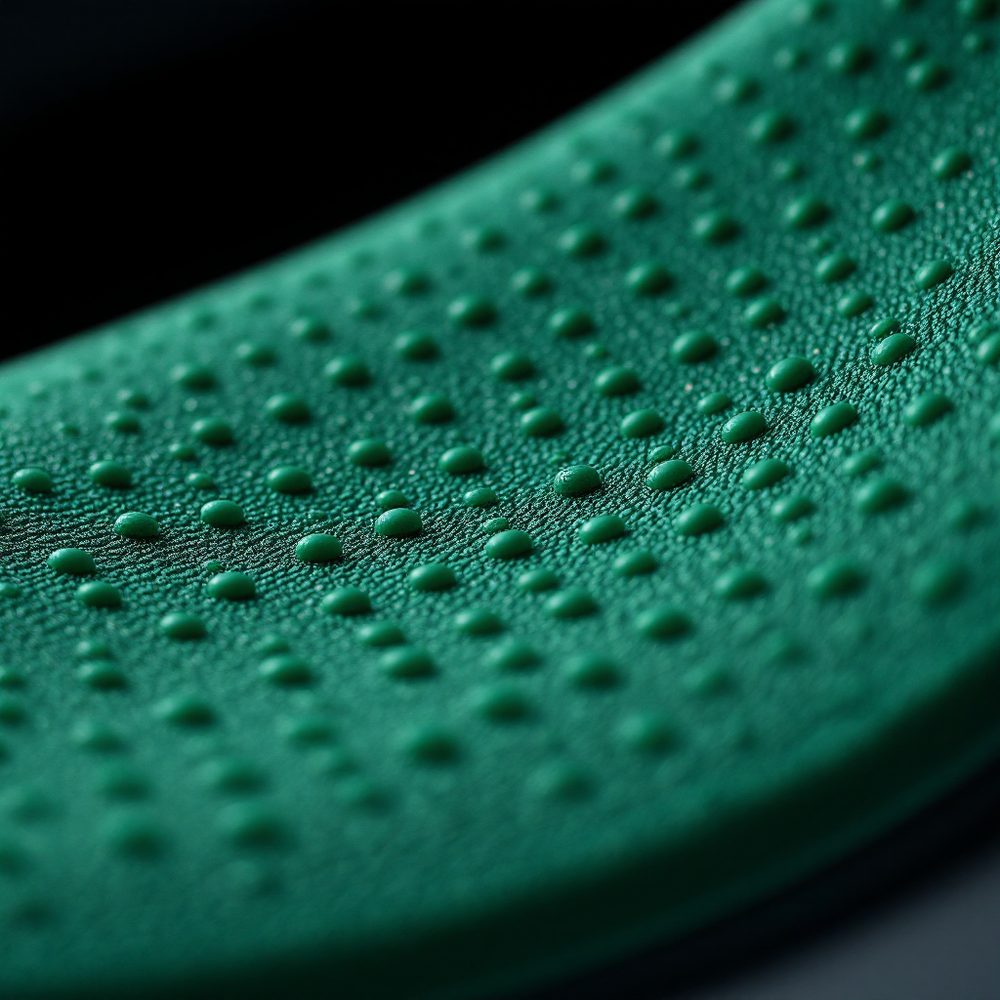
Hundreds of soft, precisely-mapped nodes gently stimulate the pressure points across the sole with every step — like a low-key reflexology session all day long.
A set of small magnets positioned along the foot, inspired by the magnetic-therapy tradition that's popular across Asia and Europe.
The part that does the heavy lifting: an anatomic arch and deep heel cup that redistribute your body weight evenly instead of dumping it on tired soles.
A moisture-wicking surface with an antimicrobial finish keeps feet fresher and drier through long days.
Sizes W5–M13, trimmed to fit in about 30 seconds, slim enough for sneakers, boots, flats and work shoes without crowding your toes.
Why ordinary insoles keep failing you
If you've tried inserts before and given up, you're not alone — and it's usually not your fault. Cheap gel pads feel nice for a week, then compress into a useless flat layer. "Memory foam" molds to your foot but offers zero structural support. And genuine custom orthotics? They work, but they're bulky, they don't fit half your shoes, and they can run $400 or more after a specialist visit.
ForestStep was designed to sit in the sweet spot: real arch support and active stimulation, in something slim, affordable and easy to live with.
What early users report
- Less burning and aching in the soles by the end of the day
- Noticeably more comfort when standing or walking for long stretches
- A "lighter", better-supported feeling underfoot
- Less strain traveling up into the knees and lower back
- Fresher-feeling feet even after long days in closed shoes
- Easier, more enjoyable daily walks
Who's reaching for them
Part of the appeal is how undramatic it is. There are no pills, no appointments, no bulky orthotics that don't fit your shoes. You trim them to size in about thirty seconds, drop them in, and go about your day. For people who'd quietly resigned themselves to "just living with it," that low effort is exactly the point.
The people who seem to love them most are the ones who spend their days upright: nurses and caregivers on 12-hour shifts, teachers, retail and warehouse staff, hairstylists, servers — anyone whose feet are their job. Close behind are walkers and hikers who wanted to keep their daily mileage without paying for it the next morning, travelers facing long days on hard airport and museum floors, and older adults simply trying to stay steady and active.
How it compares
| Gel inserts | Custom orthotics | ForestStep™ | |
|---|---|---|---|
| Real arch support | ✗ | ✓ | ✓ |
| Acupressure stimulation | ✗ | ✗ | ✓ |
| Fits normal shoes | ✓ | Often not | ✓ |
| No appointment needed | ✓ | ✗ | ✓ |
| Typical cost | $15–30 | $400+ | ~$48 |
It's also inexpensive relative to custom work, which is why word has traveled — first through Germany, and increasingly among American shoppers.
"I'm a nurse on 12-hour shifts. My heels used to throb by the end. Two weeks in and that ache is just… gone."
"Skeptical at first — I've wasted money on insoles before. The arch support is real, and my lower back stopped barking at me."
"Trimmed them for my walking shoes in a minute. I've got my morning walks back without paying for it afterward."
"On my feet all day on a concrete warehouse floor. These are the first inserts that didn't flatten out after a month."
"At 68 I'd started avoiding walks. I do my loop around the block again every morning. That's worth everything to me."
Common questions
The bottom line
Foot pain has a way of shrinking a life quietly — one skipped walk, one avoided errand at a time. What makes this approach interesting isn't a miracle claim; it's the return to something basic that most footwear ignores: supporting and gently stimulating the foot all day long. For a lot of people, that turns out to be enough to feel the difference.
ForestStep is currently running a limited summer promotion of up to 77% off multi-pair bundles with free U.S. shipping, backed by a 30-day money-back guarantee — so trying it carries little risk. If your feet have been asking for help, this is about the easiest way to answer them.
Check Availability & Claim 77% Off →